Jongno Park No-soo Art Museum
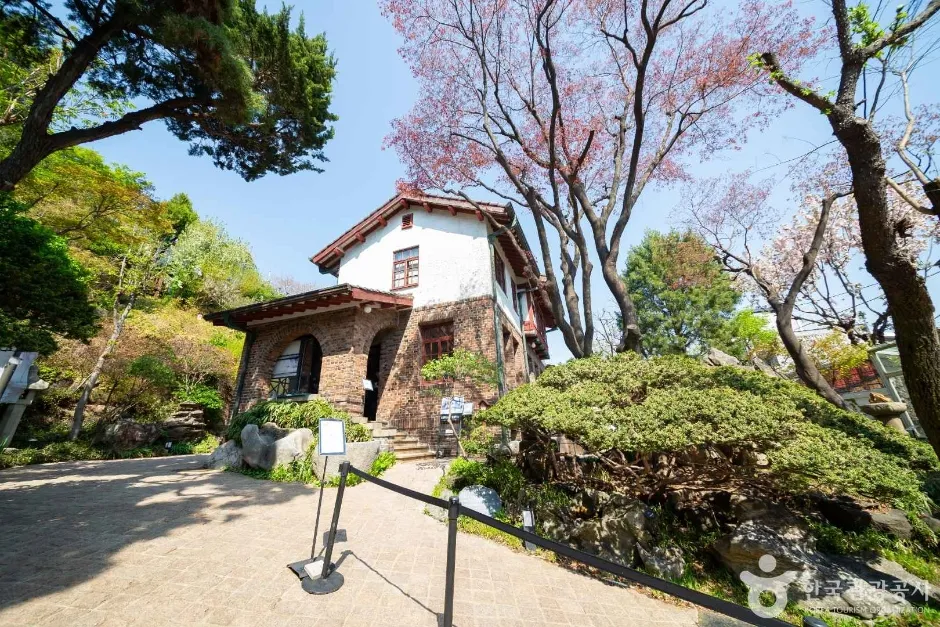
Wheelchair users can reach the small garden but cannot go inside this museum, a two-story house from around 1937. If walking is hard, note that stairs lead to the second floor.
- Wheelchair
- Partly accessibleYou can reach the small garden and view the outside, but you cannot enter the house by wheelchair.
- Walking load
- Not rated yet
- Source
- Checked online · Oct 2026
Getting there
- Gyeongbokgung StationLine 3Street elevator at Exit 4.About 860 m in a straight line.Station
- Gyeongbokgung Station toiletInside the gates, B2, by Exit 3. Listed as not wheelchair-usable.
- Dongnimmun StationLine 3Street elevator at Exit 4.About 1.1 km in a straight line.Station
- Dongnimmun Station toiletInside the gates, B2, by Exit 3-1. Listed as not wheelchair-usable.
Heads-up
The museum closes on Mondays, January 1, and the day of Seollal (설) and Chuseok (추석), as of October 2026. Sources differ on whether it also closes for the rest of the Seollal and Chuseok holidays. Call 02-2148-4171 (+82-2-2148-4171 from abroad) to ask.
Up to 15 people can be inside the house at one time. Visitors go in by turn, so you may need to wait.
Rain or snow makes the ground slippery, so entry to the outdoor hill may be limited.
Getting in
- Wheelchair
- You can go by wheelchair as far as the small garden and view the outside. You cannot enter the house, which holds all eight exhibition rooms.
- House rules
- Take off your shoes before you go into the rooms. Photos are not allowed in the museum.
- Parking
- The museum has no parking lot, so plan to come by public transport.
- Route
- The museum's directions start from Gyeongbokgung Station Exit 2. This exit has no street elevator. For the elevator exit, see Getting there. The museum is down an alley, but several signs mark the entrance.
- Bus
- Take village bus Jongno 09 to the Park No-soo Art Museum (박노수미술관) stop. Regular buses stop a 10- to 12-minute walk away.
Inside
- Stairs
- Use the stairs inside the house to reach the second floor. It has media works and, in the attic, a video about the house.
- Rooms
- The house has eight exhibition rooms, four on each floor. The rooms are small and the floors are wood. The museum says it preserves the house as it was lived in, with only the minimum additions needed to run it.
- Seating
- You can sit in the attic to watch the video, which is upstairs. There is also a bench on the low hill behind the house, up stone steps.
Also useful
- Hours
- Open Tuesday to Sunday, 10:00 to 18:00, with last entry at 17:30, as of October 2026.
- Admission
- Individual admission is 3,000 won for ages 25 to 64, 1,800 won for ages 13 to 24, and 1,200 won for ages 7 to 12, as of October 2026. The fee table has no price for visitors 65 or older and no discount for people with disabilities, so ask at the ticket desk.
- Discounts
- The museum's fee guide shows 50% discounts for visitors wearing hanbok (한복) and for visitors on Wednesdays, as of October 2026. Ask at the ticket desk whether this covers you.
- Support
- An audio guide app is available. Large-print and braille leaflets are near the entrance, and guide staff can assist visitors with visual impairments. Hearing support varies by exhibition.
- Phone
- Call 02-2148-4171 (+82-2-2148-4171 from abroad).
Not known yet
- How far a wheelchair can go from the gate into the garden, including the gate threshold and slope
- Step height at the house entrance, and whether there is a seat where you take off your shoes
- Whether the building has a toilet visitors can use, and whether it is accessible
- Whether the house has an elevator or lift
- The route from the elevator exit at Gyeongbokgung Station, including slopes, crossings and sidewalk width
Sources
The summary, the notes and the lists on this page draw on these sources.
Something wrong or missing here? Tell us what you saw.
Tell usSomething wrong or missing here? Email us what you saw: hello@accessible-korea.com